Mary Peltola Turns Down Kamala Harris Support as Alaska Senate Race Draws National Attention
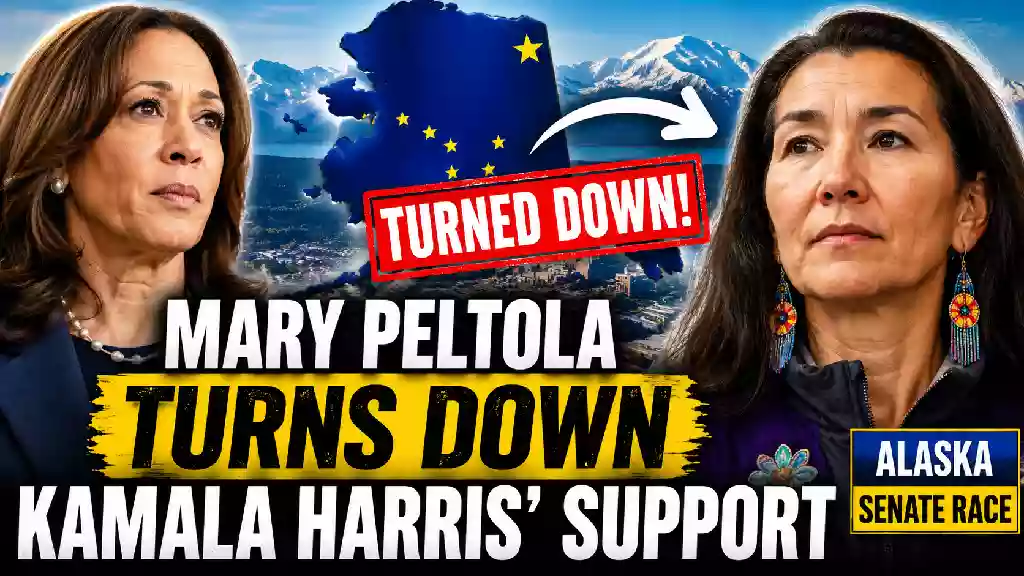
Mary Peltola’s decision to distance her Alaska Senate campaign from Kamala Harris’ support highlights tensions between state-focused Democratic candidates and the national party ahead of the 2026 midterm elections.
Mary Peltola Turns Down Kamala Harris Support as Alaska Senate Race Draws National Attention
Alaska Democrat Mary Peltola Distances Senate Campaign From Kamala Harris Support
Mary Peltola’s campaign says its focus remains on Alaska as questions grow over the Democratic Party’s national strategy ahead of the 2026 midterm elections.
Alaska Democratic Senate candidate Mary Peltola has declined support from former Vice President Kamala Harris, drawing attention to the growing tension between Democratic candidates focused on their home states and the party’s national political establishment.
Peltola’s campaign said she was not seeking endorsements from political figures outside Alaska and emphasized that the campaign’s priority would remain the state and its voters. The statement came after Harris mentioned Peltola in a fundraising email, prompting criticism over the former vice president’s involvement in the Alaska Senate race.
The episode has raised broader questions about how Democratic candidates in competitive states view support from prominent national figures following the party’s challenges in recent elections.
Patulta Campaign Emphasizes Alaska Focus
Peltola’s campaign delivered a straightforward message: the candidate is focused on Alaska rather than endorsements from politicians in the Lower 48.
That approach could reflect the political realities facing Democrats in states where national party affiliations may not be enough to win over voters. Instead of relying heavily on national Democratic figures, candidates can emphasize their individual records, state priorities and relationships with local voters.
The source notes that Peltola did not endorse Harris during the 2024 presidential election. Joel Rubin, a former Maryland congressional candidate and former Obama administration official, argued that Harris should have communicated with the Peltola campaign before attempting to use the candidate’s name in a fundraising effort.
Harris Fundraising Effort Draws Criticism
The controversy intensified after Harris’s team sent a fundraising email mentioning Peltola.
Rubin criticized the decision, arguing that the Harris operation should have sought permission from the Alaska candidate before using her campaign in a fundraising appeal. He also questioned an arrangement described in the discussion in which Harris’s operation would receive a portion of the fundraising revenue.
The criticism illustrates the sensitivity surrounding national political organizations becoming involved in state-level races. For candidates trying to establish their own political identities, unsolicited involvement from national figures can potentially complicate their messaging.
Alaska State Representative Rebecca Hemshoot also criticized Harris, arguing that the former vice president was benefiting from Peltola’s campaign despite not currently being known to be running for another office. Those comments were part of the broader discussion about Harris’s role in Alaska politics.
Democrats Face Pressure to Rebuild Their Brand
The disagreement comes as Democrats attempt to strengthen their position ahead of the 2026 midterm elections.
The discussion highlighted Alaska as one of the states Democrats view as important to their effort to regain control of the U.S. Senate. Other states, including North Carolina and Maine, were also mentioned as places where Democratic candidates are seeking to establish their own identities rather than relying entirely on the national party.
Rubin acknowledged that Democrats are dealing with challenges surrounding the party’s national image. At the same time, he pointed to candidates who are running on their own qualifications and policy positions.
For candidates such as Peltola, that strategy could mean making the campaign more about local concerns and individual leadership than national Democratic politics.
New Democratic Primary Calendar Adds Another Layer
The conversation also turned toward the Democratic Party’s future and its newly approved 2028 presidential primary calendar.
According to the source, South Carolina will lead the new sequence, followed by Nevada, New Hampshire, New Mexico, Michigan and Virginia. The change moves away from the traditional early-primary arrangement in which Iowa and New Hampshire played leading roles.
Rubin said the new calendar could create an opportunity for more moderate Democratic voters to influence the presidential nomination process earlier. His comments reflected an ongoing debate within the party over its ideological direction and electoral strategy.
A Sign of a Larger Democratic Debate
The Peltola-Harris dispute may ultimately be about more than one fundraising email.
It highlights a larger question facing Democrats: how much should candidates running in individual states embrace the national party and its most prominent figures, and how much should they distance themselves from Washington and national political controversies?
For Peltola, the campaign’s message is clear: its attention is on Alaska.
For Harris, the episode demonstrates the difficulties national Democratic figures can face when attempting to support candidates who want to maintain a strong state-focused political identity.
As the 2026 midterm elections approach, Alaska could become an important test of whether Democrats can compete effectively by combining national party resources with candidates who maintain a distinctly local message.
#MaryPeltola #KamalaHarris #AlaskaPolitics #AlaskaSenate #DemocraticParty #2026Midterms #SenateRace #Election2026 #USSenate #PoliticalNews